National_Students_TI

All students who have Portuguese nationality are considered National Students, and also:
    1. nationals of a member state of the European Union (these students will be able to take advantage of the National Access Competition for students with foreign qualifications);
    1. family members of Portuguese or nationals of a member state of the European Union, regardless of their nationality;
    1. those who, not being citizenzs of a member state of the European Union, have legally resided in Portugal for more than two years, uninterruptedly, on January 1st of the year in which they intend to enter higher education, as well as children who reside with them , and the length of residence for study is not relevant for this purpose (these students will be able to take advantage of the National Access Competition for students with foreign qualifications);
    1. those who require entry into higher education through special regimes.
National Students can apply for the various Higher Professional Technical Courses (CTeSP), Bachelor’s, Master’s and Doctorate study cycles and Postgraduate courses offered by UPB.

Inclusion4All

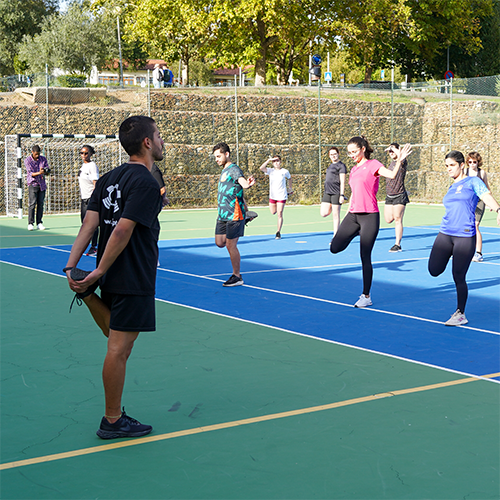
The Inclusion4All project is coordinated by the African Student Association in Bragança, in conjunction with the UPB, for the integration of new international students. This project promotes sports, cultural and social activities, on a continuous basis, which ensure that young people are connected and that social ties are established, leading to the mitigation of school failure and fostering their integration. See the Inclusion4All project gallery.


Interreligious and intercultural space

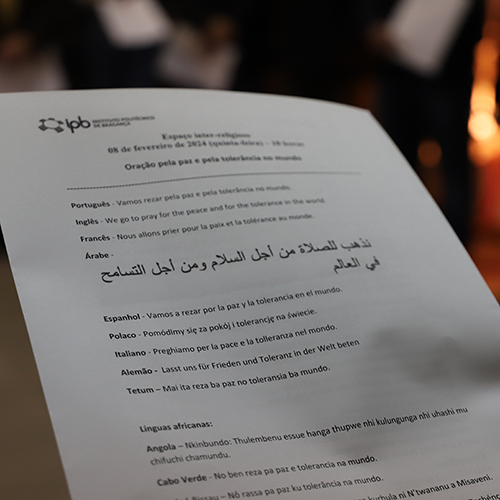
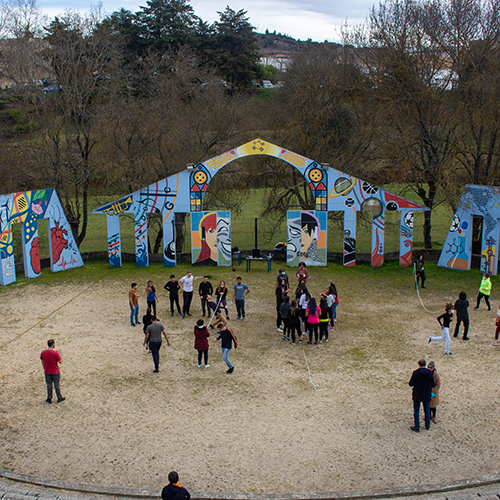
UPB’s interreligious and intercultural Space offers the entire academic community a space for welcoming, training, sharing and community celebration of faith. As well as celebrating emblematic events and dates for the UPB community, the Space offers a personal and spiritual accompaniment service to all those who require it. See the gallery of UPB’s interreligious and intercultural Space.

Chaves

With a total area of 591.23 km2, 37,657 inhabitants (2021 Census) and a population density of 63.6 inhabitants/km2, the municipality of Chaves is subdivided into 39 parishes. It is bordered to the north by the Spanish region of Galicia, to the east by Vinhais, to the southeast by Valpaços, to the southwest by Vila Pouca de Aguiar, to the west by Boticas and to the northwest by Montalegre.

Human presence in the Chaves region dates back to the Paleolithic period, but it was during the Roman invasion of the Iberian Peninsula, when the Romans settled in the valley of the River Tâmega, that this urban center took on special importance. It was elevated to the category of municipality in 79 AD under the name Aquae Flaviae.

In 1929 Chaves was given the status of a city.

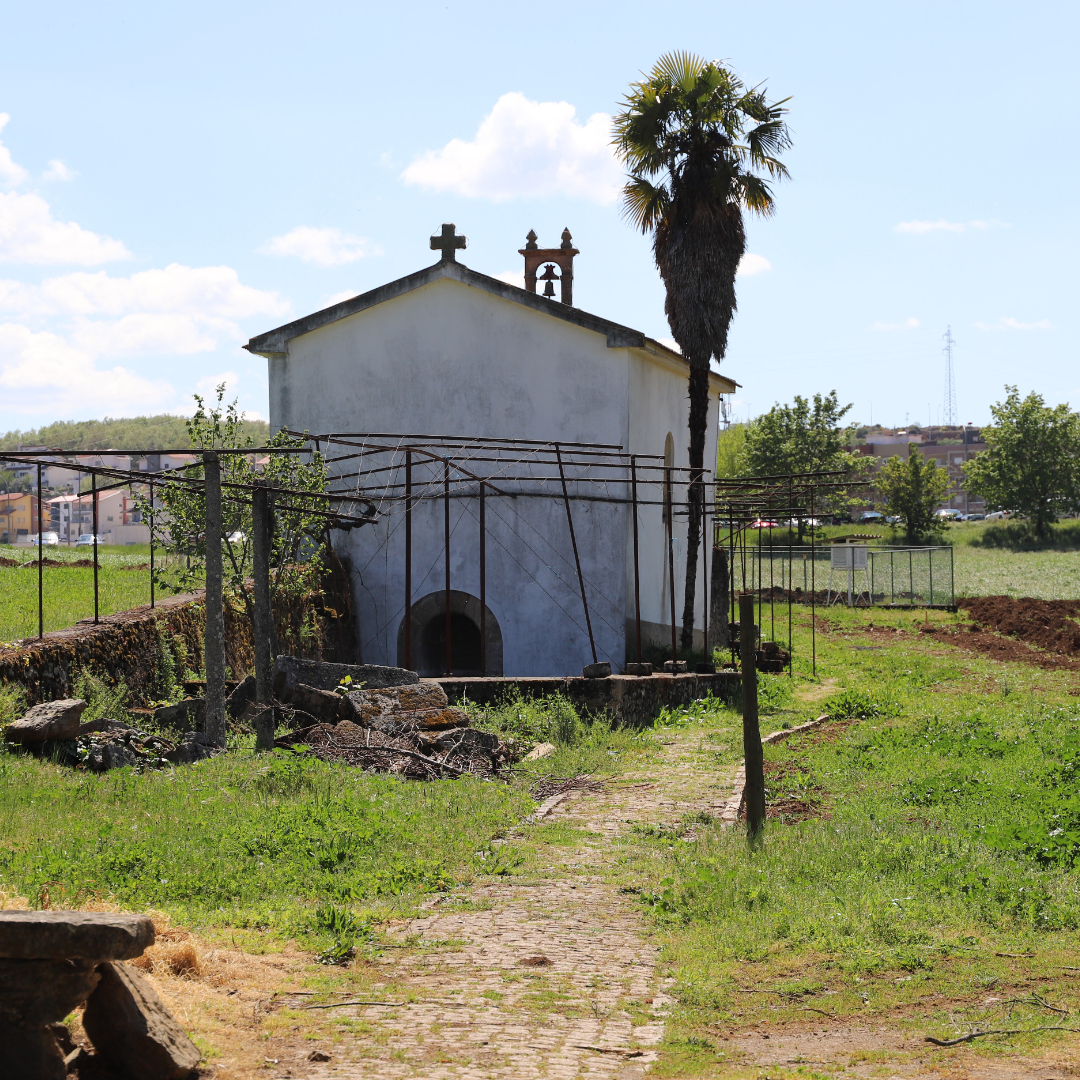
A land of charm and monumentality, expressed in its forts, castles, bridges, churches and convents, Chaves offers visitors an encounter with the history and culture of the people of the Alto Tâmega region and a glimpse of the scenic nature that emanates from its valleys.

More information about Chaves at www.chaves.pt.

Mirandela

With a total area of 658.96 km2, 21,393 inhabitants (Census 2021) and a population density of 32.5 inhabitants/km2, the municipality of Mirandela is subdivided into 30 parishes. It is bordered to the north by the municipality of Vinhais, to the east by Macedo de Cavaleiros, to the southeast by Alfândega da Fé, to the south by Vila Flor, to the southwest by Carrazeda de Ansiães and Murça and to the west by Valpaços. King Afonso III granted the town a charter in 1250 and Mirandela was elevated to a city in 1984. There is a vast archaeological, architectural, historical and religious heritage throughout the municipality. Examples of this are the traces of prehistoric settlement, exemplified by the various megalithic monuments and hill forts, some of which reveal the immense mining activity of copper, arsenic and gold, practiced by the people of the Bronze Age and perpetuated by the Romans who also left traces of their occupation in the region. Examples include pillories, bridges, churches and historical monuments. More information about Mirandela at www.cm-mirandela.pt.

Bragança

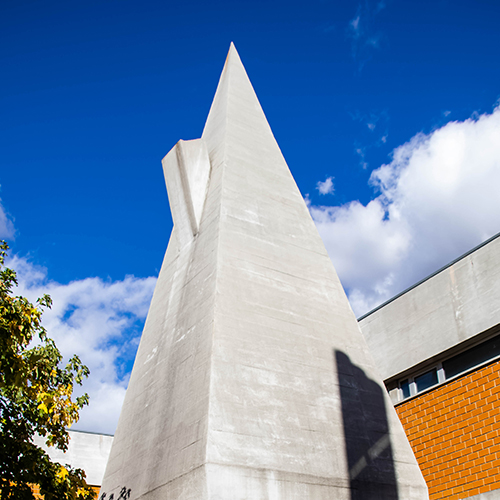
With a total area of 1,173.57 km2, 34,662 inhabitants (Census 2021) and a population density of 29.6 inhabitants/km2, the municipality of Bragança is subdivided into 39 parishes. It is bordered to the north and east by the Spanish region of Castilla y León, to the southeast by the municipality of Vimioso, to the southwest by Macedo de Cavaleiros and to the west by Vinhais. Bragança is also the capital of the Lands of Trás-os-Montes and of the district that takes its name. The history of the city of Bragança begins long before the Christian era, with its primitive population center designated Brigância. King Dom Sancho I granted it a royal charter in 1187 and gave it the definitive name of Bragança. In 1464, King Afonso V elevated it to the status of a city. Bragança has a vast cultural offer where contemporary architecture coexists with ancient cultural manifestations, such as the caretos parades and the museums that exhibit both the region’s ethnographic heritage and the latest creations by renowned artists. More information about Bragança at www.cm-braganca.pt and at www.turismo.cm-braganca.pt

Trás-os-Montes and Alto Douro

One of Portugal’s eleven provinces, created in 1936 and formally extinguished in 1976, the region of Trás-os-Montes and Alto Douro is located in the north-east of mainland Portugal, corresponding to the districts of Bragança, Vila Real, four (of the 24) municipalities in the district of Viseu and one (of the 14) municipalities in the district of Guarda. It is bordered to the north and east by Spain (the provinces of Ourense in Galicia and Zamora and Salamanca in Castilla y León), to the south by Beira Alta and to the west by Minho and Douro Litoral. Currently, this territory corresponds to the NUTS III (Nomenclature of Territorial Units for Statistical Purposes – Administrative Units) Terras de Trás-os-Montes, Alto Tâmega e Barroso and Douro (excluding the municipalities of Moimenta da Beira, Penedono, Sernancelhe and Tarouca). With an area of 5,538 km2 and, according to data from the 2021 Census by the National Statistics Institute, a population density of 19 inhabitants per km2, the Terras de Trás-os-Montes includes the municipalities of Alfândega da Fé, Bragança, Macedo de Cavaleiros, Miranda do Douro, Mirandela, Mogadouro, Vila Flor, Vimioso and Vinhais. The region has two distinct realities in terms of morphological and climatic characteristics, which gave rise to the designations Terra Fria and Terra Quente Transmontana. The first is made up of higher altitudes and a colder, wetter climate, while the second has lower altitudes and a hotter, drier climate. The region has ample agricultural and forestry resources, and the agro-industrial sector is particularly important in the region’s economy, based on the production of vegetables and fruit such as chestnuts, almonds, cherries, mushrooms and the production of olive oils and wines. It’s a region with a genuine culture, which is reflected in festivals and ancestral traditions that are unique in the country, such as the Winter Festivals that run from Christmas to Carnival. Find out more about the region of Trás-os-Montes on the page of the Intermunicipal Community of Terras de Trás-os-Montes.  The Alto Tâmega e Barroso region, made up of the municipalities of Boticas, Chaves, Montalegre, Ribeira de Pena, Valpaços and Vila Pouca de Aguiar, covers an area of approximately 2,922 square kilometres and, in 2021, had a resident population of 84,248. Agriculture and agro-industry play a key role in the economic panorama of this low-density territory. Tourism is another of Alto Tâmega e Barroso’s strategic endeavours, based on an offer of thermal tourism and cultural heritage, highlighting national monuments of great tourist interest, as well as diverse cultural events based on ethnographic traditions. Find out more about Alto Tâmega and Barroso on the page of the Intermunicipal Community of Alto Tâmega and Barroso. NUT III Douro comprises 19 municipalities: Alijó, Armamar, Carrazeda de Ansiães, Freixo de Espada à Cinta, Lamego, Mesão Frio, Moimenta da Beira, Murça, Penedono, Peso da Régua, Sabrosa, Santa Marta de Penaguião, São João da Pesqueira, Sernancelhe, Tabuaço, Tarouca, Torre de Moncorvo, Vila Nova de Foz Côa and Vila Real. The 2021 Census found 183,886 inhabitants, with the Vila Real/Peso da Régua/Lamego urban axis concentrating more than 50 per cent. It basically corresponds to the Alto Douro natural region, and a large part of its territory is part of the Alto Douro Wine Region, an area classified by UNESCO in 2001 as a World Heritage Site in the category of cultural landscape. The vineyard, the wine and the landscape make up the valuable tripod of the Douro region, as they sustain and energise viticulture – the region’s basic economic activity – and tourism – a thriving economic activity, particularly wine tourism. The region’s vineyard and wine culture have an international brand and image, from fortified wine to table wine and natural sparkling wines. Find out more about the Douro on the Intermunicipal Community of the Douro website. The Bragança Polytechnic University has facilities – campi – in the cities of Bragança, Chaves and Mirandela and carries out numerous relocated activities in the municipalities of Alfândega da Fé, Macedo de Cavaleiros, Miranda do Douro, Mogadouro, Vila Flor, Vimioso, Vinhais, Boticas, Montalegre, Ribeira de Pena, Valpaços, Vila Pouca de Aguiar, Carrazeda de Ansiães, Freixo de Espada à Cinta and Torre de Moncorvo.
Portugal_2

“Study and Research in Portugal” The Study and Research in Portugal Program presents Portugal to the world as an ideal destination for studying and/or research activities, a country at the forefront of technological developments, with the perfect combination of cultural traditions and European lifestyle. An open, welcoming and inclusive country, Portugal values its multicultural richness and encourages creativity and audacity.
https://www.youtube.com/watch?v=4B647jKJT30

Portugal_1

Portugal was founded in 1143, the year the Treaty of Zamora was signed. This treaty, signed between Afonso Henriques, the first king of Portugal, and Afonso VII of León and Castile, recognized Portugal’s legal status as an independent kingdom. In 1179, this status was confirmed by Pope Alexander III. During the 12th and 13th centuries, the Portuguese kings extended their borders until they conquered the Algarve, consolidating a territory that is practically unchanged to this day. Portugal is a republican state (since October 5, 1910), democratic (since April 25, 1974), in Southern Europe, occupying an area of 92,212 km2. The mainland is located in the extreme southwest of the Iberian Peninsula, bordered to the north and east by Spain and to the west and south by the Atlantic Ocean. Portuguese territory also includes two autonomous regions: the archipelagos of Madeira and the Azores, located in the Atlantic Ocean. Portugal is a country with 10.3 million inhabitants (Census 2021) and a population density of 112.15 inhabitants/km2, with a greater concentration of people along the coast. The Portuguese climate is Mediterranean, characterized by mild winters and summers. The capital of Portugal is Lisbon, the official language is Portuguese and the currency is the Euro (€). Portugal is a developed country with a Human Development Index (a statistical index used to measure a country’s development by the United Nations Development Program) that is considered very high, and the Portuguese economy is the 48th largest economy in the world (in 2021, according to World Bank data). In 2023, our country was ranked 22nd in the world for quality of life and is one of the most globalized and peaceful nations in the world. In terms of external relations, Portugal is a member of the European Union (including the Eurozone and the Schengen Area), the United Nations (UN), the Organization for Economic Cooperation and Development (OECD), the North Atlantic Treaty Organization (NATO) and the Community of Portuguese-Speaking Countries (CPLP).

Special competition for students who pass the specially designed assessment tests to evaluate the Over 23 year Olds' capacity to attend higher education

Candidates who pass the exams (with a mark of 9.5 or higher) will be able to apply for admission to the bachelor’s programmes through the respective special competition. The application can be made online, on the UPB application portal. Vacancies and application calendar {{14330}} Documents required to apply
    • Document proving that candidates over the age of 23 have passed the exams specially designed to assess their ability to attend higher education, indicating the exams taken (candidates who took the exams at UPB schools are not required to submit this document);
    • Consented scan of identification document (with TIN);
    • Power of attorney, if necessary.
See the Ranking Rules and the Table of exams considered equivalent. Results {{14331}} All placed candidates receive notification of their placement by email and SMS. Enrolment is exclusively done online on the UPB enrollment portal.